
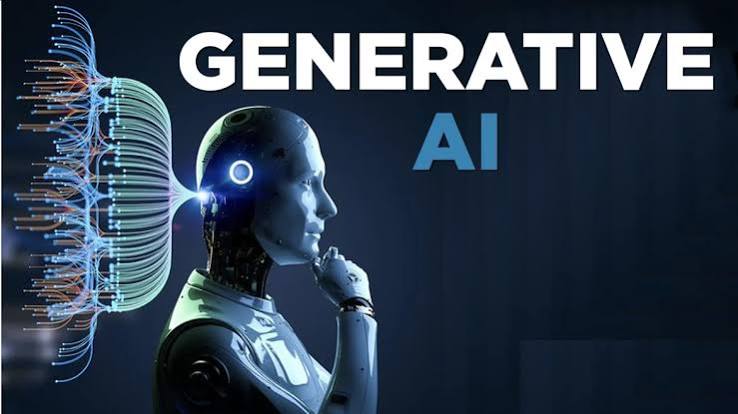
Generative AI represents a groundbreaking advancement in artificial intelligence, particularly in its ability to create new content, predict outcomes, and simulate scenarios that were previously unimaginable. At its core, generative AI involves models that can autonomously generate data, whether it be text, images, or even financial forecasts. These technologies, such as Generative Adversarial Networks (GANs) and transformer models, have rapidly evolved, propelling industries into a new era of innovation.
In the realm of finance, generative AI offers unprecedented opportunities. Financial institutions can leverage these technologies to enhance their predictive analytics, develop sophisticated investment algorithms, and improve decision-making processes. By simulating various market conditions and economic scenarios, generative AI can provide insights that were previously inaccessible, allowing firms to stay ahead in a highly competitive environment.
The practical applications of generative AI in finance are vast. From automating routine tasks to optimizing complex investment strategies, the potential for growth and efficiency is immense. However, as with any technological advancement, understanding the fundamental principles and capabilities of generative AI is crucial for its successful implementation. Financial professionals must familiarize themselves with these concepts to harness the full potential of generative AI in finance https://dedicatted.com/services/generative-ai/financial-services.
Enhancing Risk Management with Generative AI
Risk management is a critical component of financial operations, and generative AI is set to revolutionize this domain. Traditional risk assessment methods often rely on historical data and static models, which can be insufficient in dynamic and unpredictable markets. Generative AI enhances risk management by simulating a myriad of potential future scenarios, helping firms prepare for diverse outcomes.
By generating synthetic data, generative AI models can fill gaps in historical datasets, providing a more comprehensive view of potential risks. This capability is particularly valuable in stress testing and scenario analysis, where financial institutions need to evaluate their resilience against adverse economic conditions. These simulations enable firms to develop robust risk mitigation strategies, reducing vulnerability to market fluctuations.
Moreover, generative AI can improve real-time risk monitoring. By continuously analyzing market data, these models can detect anomalies and predict emerging risks before they materialize. This proactive approach allows financial institutions to act swiftly, safeguarding their assets and investments. As the financial landscape becomes increasingly complex, the role of generative AI in risk management will only continue to grow, offering a competitive edge to those who adopt it effectively.
Ethical Considerations and Regulations Surrounding Generative AI
While the benefits of generative AI in finance are substantial, ethical considerations and regulatory challenges cannot be overlooked. The use of AI in financial decision-making raises questions about accountability, transparency, and fairness. Ensuring that AI-driven processes are free from biases and operate within ethical boundaries is paramount for maintaining trust in financial systems.
Regulatory bodies are increasingly focused on establishing guidelines for the ethical use of AI in finance. These regulations aim to ensure that AI models adhere to principles of fairness, accountability, and transparency. Financial institutions must stay informed about these evolving regulations and implement measures to ensure compliance. This includes regular audits of AI models and adopting best practices for data privacy and security.
To address ethical concerns, financial institutions should also focus on building explainable AI systems. These systems provide insights into how AI models arrive at their decisions, allowing for greater transparency and accountability. By fostering a culture of ethical AI use, financial firms can mitigate risks and build trust with their clients and stakeholders, ensuring the responsible integration of generative AI in finance.