
There is a particular kind of panic that hits the moment you step out of Noi Bai Airport into the wall of heat, motorbikes and neon that is Hanoi. Your taxi driver is gesturing at a price, your hostel is somewhere in the maze of the Old Quarter, and the free airport Wi-Fi has just evaporated behind you. For independent travellers threading their way down the length of Vietnam, the difference between a smooth trip and a stressful one often comes down to one unglamorous thing: reliable internet in Vietnam. This guide walks through how to stay online from the first Grab bike to the last sleeper train, and why a small piece of software might be the most useful thing you pack.
Why Data Matters More Than You Think in Vietnam
Vietnam is a backpacker’s dream precisely because so little of it is pre-arranged. You book hostels a day ahead, you find street-food stalls by wandering, you jump on open-tour buses when the mood takes you. But all of that improvisation runs on mobile data for travellers. You need maps to navigate the Old Quarter’s tangle of lanes, translation apps to decode a menu of banh cuon and bun cha, a working Grab app to summon a motorbike taxi, and a stable connection to message the hostel owner who is waiting at a gate you cannot find. Staying connected in Southeast Asia is not a luxury here; it is the thread that holds a loose, spontaneous itinerary together.
The Old Ways: Airport SIMs and Hostel Wi-Fi
Traditionally, arriving travellers had two options. The first was hostel and cafe Wi-Fi, which is genuinely everywhere in Vietnam and often surprisingly fast, but it strands you the moment you leave the building, which is exactly when you need maps and Grab most. The second was buying a physical tourist SIM at the airport, usually from Viettel, Vinaphone or Mobifone. These cards are cheap and the coverage is excellent, but the arrivals-hall kiosks charge a premium, you hand over your passport for registration, and you spend your first jet-lagged minutes fiddling with a SIM ejector tool over a bin, praying you do not drop your home SIM onto the terminal floor. There is a cleaner way, and it lives entirely on your phone.
What Is a Travel eSIM, Exactly?
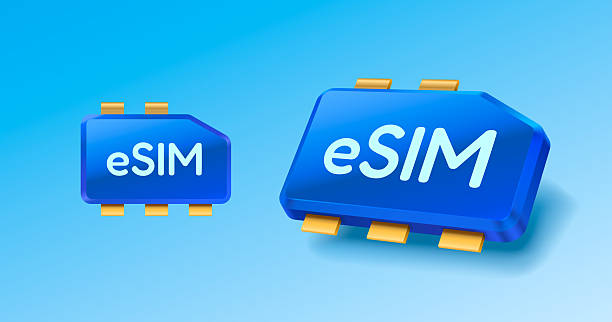
An eSIM is an embedded SIM: a small chip already built into most phones released in the last few years that can be programmed with a mobile plan by software rather than by swapping a plastic card. A travel eSIM is simply a prepaid data plan for your destination that you load onto that chip. Instead of queuing at a counter, you buy the plan online, receive a QR code, and scan it. There is nothing to lose, nothing to post, and nothing to physically insert. For a trip where you are constantly moving between cities and modes of transport, that convenience compounds quickly.
How eSIMs Work: QR Code Activation in Five Minutes
The mechanics are refreshingly simple. After you buy a plan, the provider emails you a QR code. On an iPhone you go to Settings, then Cellular, then Add eSIM, and scan it; on most Android phones it is Settings, then Network and internet, then SIMs, then Add. Your phone downloads the plan and the Vietnamese network appears alongside your home line. Crucially, you can do all of this from your sofa before you fly, while you still have your home Wi-Fi. That means the eSIM is ready to activate the instant you land, so you walk out of Noi Bai or Tan Son Nhat already online, already able to open Grab, already able to message home. QR code activation turns what used to be an airport chore into a two-minute task you finished days ago.
eSIM vs a Vietnamese SIM: Dual SIM Is the Quiet Superpower
Here is where the eSIM pulls decisively ahead of a physical Viettel card. Nearly every eSIM-capable phone supports dual SIM, meaning your eSIM data plan runs at the same time as your normal SIM. Your home number stays active in the background, so the WhatsApp and bank verification codes tied to it still arrive, while your data rides on the local Vietnamese network. You are not choosing between staying reachable and staying online; you get both. With a physical local SIM you typically eject your home card and lose that number for the trip, or juggle two pieces of plastic across a two-week journey. The eSIM sidesteps the whole dilemma. You keep your identity on line one and buy fast, cheap Vietnamese data on line two, then delete the plan when you fly home.
Choosing and Buying an eSIM for Vietnam
When it comes time to actually pick a plan, the sensible move is to buy an eSIM for Vietnam before you leave home, matching the data allowance to how you actually travel. A backpacker glued to maps, Grab, translation and the occasional Ha Long Bay photo dump will burn through more than someone who mostly relies on hostel Wi-Fi in the evenings, so err on the generous side. Look for a prepaid Vietnam data plan that covers your whole trip length in one purchase rather than a stingy few days, check that Vietnam eSIM coverage includes the rural stretches you will cross on the sleeper train, and confirm the plan runs on a major carrier network so you get real signal in the mountains around Sapa and the Mekong Delta, not just in the cities. A good travel eSIM for Vietnam is measured in gigabytes and days, and clarity on both is what separates a reliable plan from a frustrating one.
Staying Online on the Move: Sleeper Trains, Open-Tour Buses and Grab Bikes
The classic backpacker route strings together Hanoi, a Ha Long Bay overnight cruise, then the long haul south through Hue, Hoi An, Nha Trang and finally Ho Chi Minh City. Much of that distance is covered on the reunification sleeper train or on hop-on, hop-off open-tour buses, and this is where coverage earns its keep. On the sleeper train you will want to message the next hostel with your arrival time, check reviews of the coming stop, and keep yourself entertained through the long dark hours. On Grab bikes, weaving through Ho Chi Minh City traffic behind a helmeted driver, the whole booking and payment flow lives in an app that needs data to function. A well-chosen Vietnam data plan keeps all of that humming. Coverage does dip in the remote passes and out on the water during a Ha Long Bay cruise, but a strong local network holds a signal far longer than you might expect, and hostel Wi-Fi fills the gaps at either end.
Street-Food Hunting and Everyday Life Online
Beyond logistics, data quietly powers the best parts of a Vietnam trip. Chasing the perfect bowl of pho or a plastic stool of bun cha usually starts with a saved map pin from a food blog or a fellow traveller. Translation apps turn a wall of Vietnamese into an orderable menu and help you barter, gently, over a conical hat in Hoi An’s night market. Currency converters stop you overpaying for a Ha Long Bay cruise upgrade. Booking apps let you grab a last-minute hostel bed in the Old Quarter when your plans change at noon. None of this is dramatic, but all of it depends on a phone that is simply, dependably online from the moment you land.
A Few Practical Tips Before You Fly
First, confirm your phone is both eSIM-capable and carrier-unlocked; most flagship and mid-range models from the last few years qualify, but it is worth a thirty-second check in your settings. Second, install and set up the eSIM while you still have home Wi-Fi, then leave the actual activation until you land, so the clock on your plan starts in Vietnam rather than in your kitchen. Third, set your home SIM to data-off and make the eSIM your default for data in your phone’s settings, which prevents any accidental home-network roaming charges. Fourth, download offline Google Maps of Hanoi, Hoi An and Ho Chi Minh City as a backstop for those rare dead zones. Do these four things and staying connected in Southeast Asia stops being something you worry about and becomes something you simply have.
Conclusion: Travel Light, Stay Connected
Backpacking Vietnam is about saying yes to the unplanned: the extra night in Hoi An, the detour to a beach nobody mentioned, the sleeper train booked an hour before it leaves. All of that spontaneity runs smoother when your phone just works, from the Old Quarter’s lanes to the last Grab bike in Ho Chi Minh City. A travel eSIM is the quiet piece of kit that makes it possible, loaded before you fly, activated the second you land, and forgotten about for the rest of the trip. Pack light, keep your home number, and let the data take care of itself so you can get on with the far more important business of finding the best bowl of pho in the country.