
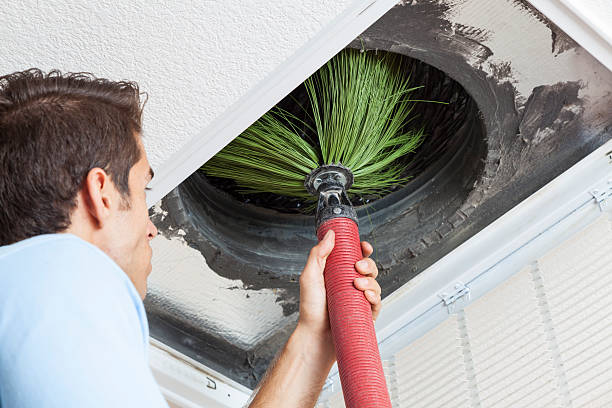
Maintaining a comfortable, healthy home environment requires attention to details that often go unnoticed. While cleaning floors, wiping down countertops, and dusting furniture are part of regular household routines, the air circulating through your living spaces relies heavily on hidden systems. Deep inside your walls and ceilings, your HVAC ductwork continuously channels the air you breathe every day. Over time, these pathways gather layers of dust, pet dander, pollen, and microscopic pollutants. Investing in professional residential air duct cleaning ensures that your heating and cooling system delivers clean, unpolluted airflow throughout your entire home.
Understanding How Air Ducts Gather Debris
Your HVAC system acts as the primary lung of your house. Every time your heater or air conditioner runs, it pulls air from your rooms through return vents, conditions it to your preferred temperature, and pushes it back out through supply registers. While furnace filters trap larger particles, fine dust and microscopic debris continuously bypass standard filtration.
Over months and years, these tiny particles stick to the interior surfaces of your metal or flexible ductwork. Factors that accelerate buildup include:
- Pets in the Home: Shedding fur and dander are easily drawn into return vents.
- Seasonal Allergens: Pollen, outdoor dust, and mold spores enter whenever doors and windows are opened.
- Home Renovations: Sanding drywall, cutting wood, or replacing flooring generates fine dust that settles deep inside ventilation lines.
- Daily Activity: Everyday cooking, living, and foot traffic constantly stir up household dust.
When your HVAC blower cycles on, air flows over these trapped layers, dislodging fine particles and redistributing them into your bedrooms, kitchen, and living areas.
The Unseen Costs of Neglected Ventilation
Allowing dust and debris to build up inside your ductwork creates issues that extend beyond surface dust. Neglected ventilation systems carry real financial and operational consequences.
1. Reduced HVAC Efficiency
When dust and grime coat duct walls, air grilles, and internal coils, airflow experiences resistance. Your HVAC motor must work harder and run longer cycles to maintain the temperature set on your thermostat. This added strain leads directly to higher monthly energy bills.
2. Premature System Strain and Wear
Heating and cooling equipment represents a major financial investment. When a system constantly fights against restricted airflow, sensitive internal components like blower motors and heat exchangers suffer excess wear, increasing the risk of sudden breakdowns and expensive repairs.
3. Temperature Imbalances Across Rooms
Thick buildup inside specific branch lines can restrict air volume reaching individual rooms. This creates frustrating “hot spots” or “cold spots” in your house that never seem to cool down or warm up properly.
Primary Benefits of Clean Air Ducts
Routine maintenance for your home’s ventilation network offers clear, practical advantages for your daily life:
- Cleaner Indoor Air: Removing accumulated pollutants eliminates major allergy triggers, helping sensitive family members breathe easier.
- Reduced Dusting Chores: Clearing trapped dust from your vents stops particulate matter from constantly settling on your furniture and floors.
- Elimination of Stale Odors: Musty smells caused by trapped dust, moisture, or pet odors clear up once the pathways are thoroughly cleaned.
- Lower Monthly Utility Bills: Unobstructed airflow allows your heating and cooling system to run shorter, more efficient cycles.
Warning Signs Your System Needs Attention
Because your ductwork is hidden behind walls and above ceilings, it can be easy to overlook. However, your home usually provides several clear indicators when a thorough cleaning is overdue.
Warning Sign
Primary Cause
Direct Result
Visible dust on vent covers
Heavy dust accumulation in supply branches
Dust blows directly into rooms
Unexplained rise in energy bills
Restricted airflow forcing longer system cycles
Increased monthly electrical and gas costs
Dust returns right after cleaning
Recirculating particulate matter from duct lines
Continuous dust settling on surfaces
Musty smell when heat or AC turns on
Trapped moisture or organic buildup in vents
Unpleasant odors circulating throughout the house
Recent construction or remodeling
Fine drywall dust pulled into return registers
Clogged system filters and dirty vent walls
DIY Maintenance vs. Professional Service
Homeowners often wonder if duct cleaning can be handled as a weekend DIY project. While vacuuming surface register covers and changing air filters regularly are great routine habits, household tools cannot reach the dirt trapped deep inside your system.
Standard household vacuums lack the static pressure, long reach, and specialized agitation equipment needed to clean long metal or flexible duct runs. Trying to clean deep inside vents with basic vacuum attachments can dislodge heavy dust without removing it, causing it to blow freely through your home the next time the system turns on. Furthermore, rigid household tools can easily tear or puncture flexible ductwork in attics or crawlspaces.
Professional technicians use industrial negative-pressure vacuum equipment paired with high-speed rotary brushes and pneumatic air whips. The negative pressure places your entire ventilation network under vacuum, ensuring that as debris is dislodged from duct walls, it is completely extracted into containment systems outside your living area.
Creating a Safer, Healthier Environment
We spend the vast majority of our lives indoors, making indoor air quality essential to overall comfort and well-being. Keeping your ventilation network clear of contaminants protects your mechanical equipment, lowers operating costs, and gives you confidence in the quality of the air your family breathes every day.
If you cannot remember the last time your ductwork was inspected or cleaned, taking action today helps prevent costly system repairs and unnecessary air quality issues tomorrow. Clean air starts behind your walls, and maintaining your vents is one of the smartest investments you can make for your home.