
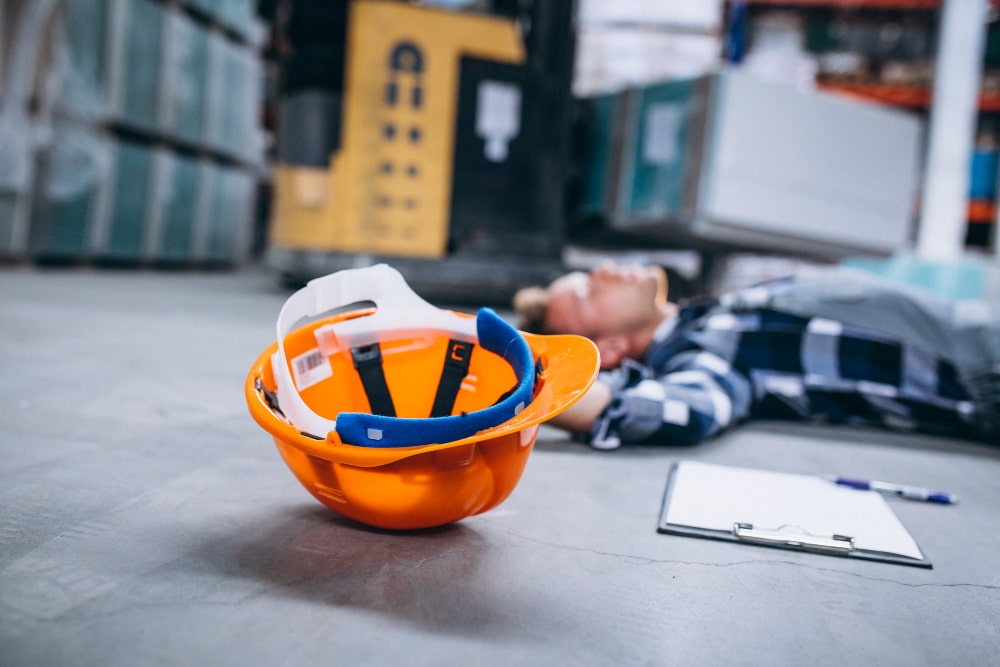
When something hurts after a fall, awkward movement, workout, or physically demanding day, resting it often feels like the sensible response. In the early stage of an injury, reducing the activities that aggravate the area can help pain and swelling settle. It can also prevent someone from repeatedly stressing tissues that are not ready for their usual demands.
The problem is not rest itself. The problem is assuming that feeling better after rest means the injured area has fully recovered. Pain may decrease before strength, mobility, balance, and coordination have returned. Someone can feel comfortable while sitting or walking around the house but still be unprepared for running, lifting, climbing, gardening, or a full day at work.
This helps explain why some injuries seem to disappear and then return as soon as normal activity resumes. Rest reduces demand on the area, so symptoms settle. When the person goes back to the same workload, however, the body may still lack the capacity to handle it. The injury can become irritated again, sometimes leading to another period of complete rest and the same cycle repeating.
Too much inactivity can create its own difficulties. Joints may feel stiff, muscles may lose strength, and movements that were once automatic can become hesitant or uncomfortable. A person recovering from an ankle injury may start walking differently without noticing. Someone with shoulder pain may avoid reaching overhead and gradually lose confidence in that movement. These changes can remain even after the original soreness has improved.
Rehabilitation is different because it is an active process. Rather than simply waiting for time to pass, rehabilitation works toward restoring the abilities affected by the injury. This usually begins with understanding what remains limited. Depending on the problem, that could include range of motion, strength, balance, control, endurance, or tolerance for a particular activity.
Movement during recovery does not mean forcing an injured area through severe pain. It means choosing an appropriate amount of activity and observing how the body responds. Early movement might be gentle and limited. As symptoms become more manageable, the challenge can gradually increase. The goal is to give the body enough demand to adapt without repeatedly overwhelming it.
Gradual reloading is an important part of this process. Muscles, tendons, joints, and other tissues need exposure to load if they are going to handle everyday tasks again. For one person, that might begin with controlled body weight movements before progressing to carrying groceries. For another, it might involve building from short walks to longer distances and faster speeds. The appropriate progression depends on the injury and the person’s goals.
A physiotherapist can become relevant when it is unclear what is limiting recovery or how activity should be increased. Physiotherapists are trained to assess movement and function, identify areas that may need attention, and help guide a structured return to activity. This can be particularly useful when pain has improved but weakness, stiffness, instability, or reduced confidence remains.
Progress is not always perfectly smooth. An increase in soreness after doing more does not automatically mean that new damage has occurred, but it may indicate that the increase was too large. Rehabilitation often involves adjusting the amount, intensity, or frequency of activity based on the response later that day and the following day. This is more informative than judging readiness only by how the area feels during one movement.
There are also times when an injury should receive medical attention rather than being managed through rest or unsupervised exercise. An inability to bear weight, obvious deformity, rapidly increasing swelling, worsening numbness, significant weakness, or severe pain following substantial trauma should be assessed promptly. Symptoms involving loss of bladder or bowel control require urgent medical care.
For less urgent injuries, a useful question is whether function is steadily returning. Can you move more comfortably than last week? Are ordinary tasks becoming easier? Can you gradually tolerate more activity without a major flare afterward? If the answer remains no, or if the same injury keeps returning whenever activity increases, rest alone may no longer be enough.
Someone whose injury is not improving with rest may choose to contact a local physiotherapy provider such as Remedy Physio Clinic to ask whether an assessment would be appropriate. Seeking guidance does not mean that every injury requires extensive treatment. It can simply provide a clearer understanding of what has recovered, what remains limited, and how to move forward safely.
Rest can create the conditions for healing, especially at the beginning. Rehabilitation prepares the body to function again. Recognizing the difference can help people avoid mistaking the absence of pain for complete recovery and make a more confident return to work, exercise, and everyday life.
This article provides general information and is not a diagnosis or a substitute for specific medical advice. Consult an appropriate healthcare provider about an individual injury, particularly when symptoms are severe, worsening, or affecting normal function.