
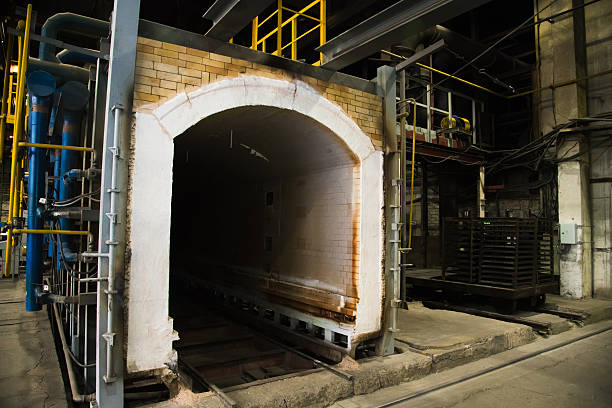
Ever stared at a kiln and thought, “Wow, that thing must be super boring inside”? Yeah, me neither… until I actually got into some industrial stuff and realized, man, all the little bits inside make a huge difference. Take something like a kiln radial seal for example. Sounds technical and maybe even unnecessary at first, right? But trust me, it’s kind of the unsung hero of the whole operation. Without it, you’re basically leaving your kiln’s heart exposed to chaos.
Seals That Actually Keep the Heat Where It Belongs
So here’s the thing — kilns get ridiculously hot. We’re talking hundreds, sometimes over a thousand degrees Celsius. Now imagine trying to keep all that heat in one place, while also letting the thing move a little because metals expand and contract. That’s where this radial seal comes in. It’s like a tiny, high-temp bouncer, keeping the heat in the VIP section and the cold air out. And honestly, without it, your energy bills would probably make you cry.
A friend of mine works in a ceramics factory and he was telling me how one day they skipped replacing the seals to “save a few bucks.” Big mistake. Within a week, their kiln started leaking heat, the firing process went all over the place, and some of their pottery literally cracked in the kiln. Lesson learned the hard way: don’t underestimate a small component just ‘cause it doesn’t look flashy.
High-Temperature Radial Seals Aren’t All the Same
You’d think a seal is just a seal, but nope. Materials, durability, and design vary, and it all matters. Some cheaper versions will burn out faster than you can say “oops.” Others might resist heat well but fail when it comes to movement or pressure. This is why engineers nerd out over things like this — they’re basically trying to make the perfect heat-proof, flexible donut that keeps everything running smooth.
There’s a little online chatter too — some Reddit thread I stumbled upon had kiln operators comparing brands like it was a fantasy football draft. People get weirdly passionate about seals. One guy even posted a picture of a fried seal next to his cat for scale. Weird flex, but okay.
Why You Should Care About the Details
If you’re running any kind of high-temp kiln, ignoring the seals is like ignoring your car’s oil change. Sure, it runs for a bit without it, but eventually you’re gonna pay a huge price. Energy efficiency drops, materials can get damaged, and maintenance costs skyrocket. Think about it like this: a good seal saves you money not just directly, but indirectly by keeping everything in your process predictable. It’s the difference between cooking on a nice, even stove and trying to make pancakes on a barbecue. Yeah, you might get breakfast, but it ain’t pretty.
Also, for those who love stats — because hey, some people do — properly maintained kiln radial seals can improve energy efficiency by up to 15%. That might not sound like much, but in industrial terms, that’s the difference between “paying for coffee every day” and “paying for a small island in the Caribbean.” Ok, maybe not a whole island, but you get the point.
Installation Isn’t Rocket Science, But It Helps to Know What You’re Doing
Here’s where a lot of people mess up. The seal itself is simple, but fitting it right? That’s where experience counts. If it’s too tight, you can stress the kiln’s metal parts; too loose, and heat leaks out. Some companies offer guides and videos, but honestly, watching someone online isn’t the same as getting your hands dirty. You gotta feel the material, see the expansion and contraction in real-time. It’s kind of like learning to ride a bike — the theory is fine, but you won’t really get it until you do it.
And while we’re on it, don’t just stick with whatever’s cheap or what your supplier had lying around. A high-quality seal lasts way longer, withstands weird temperature spikes, and reduces the annoying downtime that kills productivity. It’s one of those “spend a little more now, save a lot later” situations that most people ignore until it slaps them in the face.
Signs Your Kiln Radial Seal Might Be Failing
So how do you know when it’s time to replace it? There are a few classic signs. One, if your kiln is taking longer than usual to reach temperature. Two, if your product’s surface is weirdly uneven or cracked. And three, if you start seeing any smoke or unusual heat patterns near the edges — not good.
Funny story — my cousin once tried to ignore these signs because “it’s probably nothing.” Big mistake. He ended up with a batch of glass that literally melted into a weird blob. And yes, he was on TikTok showing off his “experimental glass art” like it was a new trend. People loved it, but his boss… not so much.
Conclusion-ish Thoughts
At the end of the day, a kiln radial seal might not be the flashiest part of a kiln, but it’s quietly keeping the whole system in check. Heat retention, energy efficiency, preventing product damage — it’s all on this little circular hero. Think of it like the unsung sidekick in a movie. Everyone remembers the lead actor, but without that sidekick, the story falls apart.
So yeah, next time you’re checking on a kiln or thinking of upgrading your equipment, don’t just skim over the seals. It might seem tiny, but it’s basically the difference between smooth operations and a messy, expensive nightmare.