
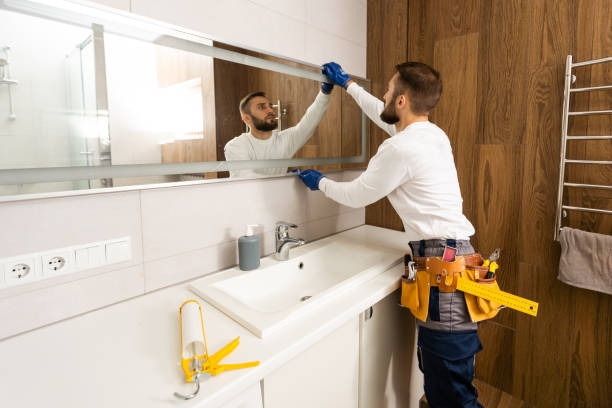
Most homeowners don’t think about their bathroom until something starts to bother them — cracked tile, a shower that never quite gets hot enough, a vanity that looked fine back in 2004. Once you decide to fix it, the next question is who’s going to do the work. That’s where bathroom renovation contractors come in, and knowing what the process actually looks like can save you weeks of frustration.
The First Walkthrough Isn’t Just a Sales Pitch
When a contractor comes to your house for the first time, they’re not just quoting a job — they’re checking things you’d never notice on your own: water pressure, subfloor condition, whether the plumbing lines can support a bigger shower, and whether there’s old tile hiding under the layer you were about to rip out. A rushed walkthrough usually leads to a rushed renovation. Good contractors ask questions about how you actually use the space before they ever start talking numbers.
Get Ready to Talk Real Numbers
Budget conversations are where a lot of projects go sideways. People often walk in with a figure in mind based on a friend’s renovation from a few years back, and it’s almost never accurate anymore — materials, labor, and permit costs shift constantly. A contractor worth hiring will break the estimate into categories: demolition, plumbing, electrical, tile and fixtures, labor, and a contingency fund for whatever the walls decide to reveal once they’re opened up. That contingency line isn’t padding — older homes especially tend to hide surprises behind the drywall.
Permits Take Longer Than You’d Think
Depending on where you live, a remodel that involves moving plumbing or adding electrical circuits will need permits, and those don’t get approved overnight. Some municipalities take a few days, others take several weeks. This is one of the most common reasons projects start later than planned, and it usually has nothing to do with the contractor dragging their feet — it’s paperwork sitting on a desk somewhere. Ask upfront who’s pulling the permits and roughly how long that process tends to take in your area.
Material Choices Change the Timeline
Picking tile, a vanity, and fixtures feels like the fun part, but it’s also where delays sneak in. Custom or imported materials can take six to ten weeks to arrive, sometimes longer. If you’ve got a hard deadline — say, hosting family for the holidays — that timeline should shape your material choices, not the other way around. A contractor who’s upfront about lead times before you fall in love with a specific tile is doing you a favor, even if it’s not what you want to hear in the moment.
What Separates a Good Contractor From a Forgettable One
Anyone can hang drywall and lay tile. What actually matters is communication — do they call back, do they explain delays instead of letting you discover them on your own, do they document changes in writing instead of relying on verbal promises that get forgotten a week later. Ask to see photos of finished bathrooms, not just glossy showroom shots but real completed jobs with the kind of layout constraints your own bathroom has. A small powder room and a primary ensuite are completely different projects, and experience with one doesn’t automatically transfer to the other.
This is also where checking reviews matters more than checking a portfolio. A portfolio shows you their best day. Reviews tend to show what a normal week working with them actually looks like — whether they show up when they say they will, whether they clean up at the end of each day, and whether the final price matched the estimate or crept up without warning.
Living Through the Renovation
Nobody warns people enough about this part. If you only have one bathroom, plan for a few days without it — most contractors will tell you exactly which days the plumbing will be disconnected so you can plan around it. If you have a second bathroom, the disruption is more about noise and dust than anything else. Either way, ask about dust containment and daily cleanup before the work starts, not after your hallway is already covered in drywall dust.
Before You Sign Anything
Get everything in writing — the scope of work, the payment schedule, what happens if hidden damage turns up, and who’s responsible for hauling away old materials. A vague one-page estimate is a red flag. A detailed contract that spells out brands, model numbers, and a rough day-by-day schedule tells you they’ve actually thought the job through. Reputable bathroom renovation contractors will never pressure you to sign on the spot — they’ll give you time to read it over and ask questions first.
A bathroom renovation is disruptive no matter who does the work, but it doesn’t have to be chaotic. Knowing what to expect — the walkthrough, the budget conversation, the permit wait, the material lead times — puts you in a much better position to spot a contractor who does this well versus one who’s just improvising as they go. Take the time upfront, and the renovation itself tends to go a lot smoother than the horror stories you’ve probably already heard from a neighbor.