
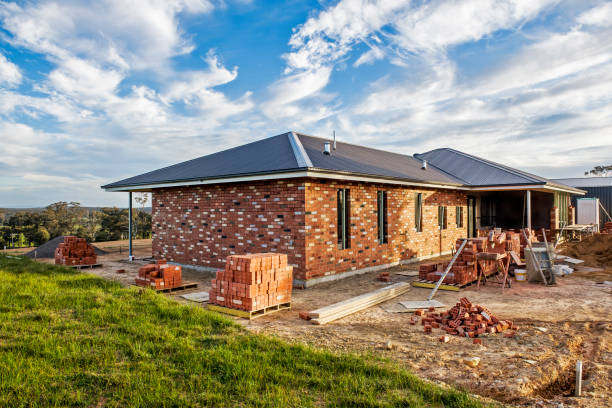
Walk down almost any street and you can usually tell which houses have been cared for and which ones have been left to weather the years on their own. The difference often comes down to the outside of the home, not the inside. A tired roofline, faded paint, or cracked walkway sends a message before anyone even knocks on the door. That is exactly why so many homeowners are exploring exterior home renovations, choosing projects that improve how a house looks from the street while also making it more comfortable to live in day to day.
Not every project outside your house carries the same weight, though. Some upgrades are mostly cosmetic and fade in importance after a season or two, while others quietly protect the structure underneath and keep repair bills from piling up later. Knowing which is which saves money and frustration, especially if you are working with a tighter budget or trying to time a project before winter weather rolls in.
Roofing sits near the top of the list for a reason. It is the single largest surface exposed to sun, rain, and wind, and a roof that is starting to fail rarely gives much warning before it causes real damage inside the attic or ceilings. Replacing worn shingles or upgrading to a more durable material is rarely glamorous, but it is one of the few projects that protects everything else you have invested in the house.
Siding comes in a close second. Beyond the obvious visual refresh, new siding closes gaps where moisture and pests sneak in, and modern materials insulate far better than what was available even fifteen years ago. Homeowners who replace old, warped siding often notice a difference in indoor temperature swings almost immediately, along with lower heating and cooling bills over the following year.
Windows and entry doors matter just as much, even though they are smaller in scale. Old single-pane windows leak air constantly, and a front door that no longer seals properly undoes a lot of the benefit gained from other upgrades. Swapping these out is one of the more affordable ways to tighten up a home’s envelope while giving the entrance a cleaner, more welcoming look.
Landscaping and hardscaping round out the picture. A walkway that has heaved and cracked, or a driveway with crumbling edges, tells visitors the home has been neglected even if the inside is spotless. Simple fixes like leveling pavers, adding proper drainage, or refreshing plant beds along the foundation go a long way toward making the whole property feel intentional rather than accidental.
When people ask which single project delivers the best return, the honest answer is that it depends on what condition the home is already in. A house with a failing roof should not spend its budget on landscaping first, and a home with beautiful siding does not need new windows just because a neighbor got them. Prioritizing based on actual wear, not trends, is what separates a smart renovation plan from an expensive guessing game.
Thoughtful exterior home renovations tend to pay for themselves twice over: once through lower utility bills and fewer repair surprises, and again when it comes time to sell. Buyers form an opinion about a property before they ever step through the front door, and a home that looks well maintained outside earns the benefit of the doubt on everything else.
If you are trying to figure out where to start, it helps to have someone walk the property with you and point out what is cosmetic versus what is structural. A second set of trained eyes can catch issues that are easy to miss from the sidewalk, like flashing that has pulled away from a chimney or siding that looks fine but has soft spots underneath.
Whatever order you tackle things in, treat the exterior as a system rather than a list of separate chores. Roofing, siding, windows, and grading all work together to keep water out and comfort in, and neglecting one piece tends to shorten the life of the others. Approaching the project that way, rather than picking whatever looks worst at the moment, is how homeowners end up with results that hold up for decades instead of just a season.