
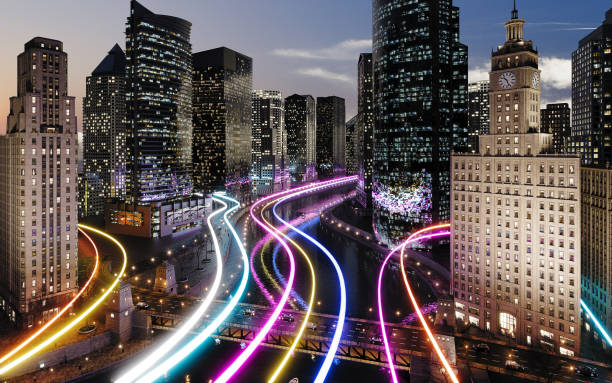
ok so buildings are getting smart now
so like, smart buildings are everywhere and honestly kinda wild. your apartment can adjust lighting automatically, control temperature, monitor energy use, maybe even play music when you walk in — futuristic stuff. personally i visited a coworking space once with smart lights and sensors and ended up waving at the door like an idiot trying to get it to open, humans + tech = messy. but seriously, smart buildings are changing urban life in ways we barely notice until something breaks or surprises us.
why people care
people care because cities are chaotic, space is limited, energy is expensive, and comfort is king. smart buildings make life more convenient: lights turn on when you enter, elevators optimize traffic flow, heating/cooling adapts to your schedule. social media reels show people joking about “my apartment knows me better than my ex” and honestly relatable. i once stayed in a smart hotel where the curtains opened automatically at sunrise, woke up like a confused robot, but mood surprisingly better. small tech wins = happiness points.
energy efficiency and sustainability
ok serious part: smart buildings save energy. sensors detect occupancy, HVAC systems optimize usage, lights dim when no one’s around. my cousin lives in a building where smart meters track energy use and residents compete for lowest bills — tiny chaos, lots of fun. online forums debate “smart building energy hacks” — people sharing apps, dashboards, random excel sheets tracking their electricity like tiny nerds. sustainability + tech = messy but effective.
safety and security
smart buildings improve safety too. access control, cameras, motion detectors, automated alerts. personally, i tried to enter my friend’s apartment and forgot my keycard, building buzzed me in automatically — slightly terrifying but convenient. social media shows funny fails too: someone waving at motion sensor lights for 10 mins before realizing it wasn’t working properly — humans chaotic, tech sometimes messy.
urban living convenience
smart buildings reshape routines: no more wandering halls looking for laundry rooms, smart elevators call themselves, trash disposal sensors tell you when bins full, temperature adjusts automatically. one time i visited a coworking building and forgot my coffee — smart dispenser knew and delivered it nearby. chaotic but convenient. tiktok reels show “smart building fails” — doors locking at wrong time, lights turning off mid-meeting — messy human experience, funny, relatable.
integration with apps and IoT
ok smart buildings are part of larger IoT ecosystem. apps let you control lights, climate, locks, even fridge sensors — from bed, train, or toilet if you want. personally, i tried adjusting my friend’s smart thermostat remotely and accidentally made the room feel like saudi desert, tiny chaos ensued. reddit threads are full of “smart building hacks” and fails — people learning, experimenting, sometimes breaking things, sometimes genius. humans + tech = learning + chaos.
health and wellness benefits
smart buildings even support wellness: air quality monitoring, humidity control, circadian lighting, noise management. personally, i noticed when my office building adjusted lighting gradually throughout the day, my mood and focus slightly improved — tiny wins. instagram reels love showing “smart building wellness hacks” — plants + sensors + lights = human feels. small tweaks in environment = mental clarity + productivity.
social interaction and community
smart buildings can foster community too. shared dashboards, notifications about events, smart lounges. my friend lives in a building where residents get notifications about community yoga, book swaps, cat meetups — chaotic but fun. tiktok reels show people accidentally discovering neighbors through smart building apps — humans messy, unexpected social perks emerge.
future urban landscapes
ok looking forward, smart buildings might dominate cities. imagine skyscrapers with self-adjusting energy grids, AI managing elevators, adaptive air quality sensors, windows that tint automatically. personally, i imagine living in one and accidentally triggering 10 different alarms in a day, chaotic but futuristic. online forums speculate on “smart cities” — networks of smart buildings communicating, traffic, energy, emergency response — humans + tech = messy but efficient future.
why it actually matters
so yeah, smart buildings shape urban living by improving convenience, energy efficiency, security, wellness, and even social interaction. humans messy, cities chaotic, tech helps organize, automate, and sometimes mess up in hilarious ways. messy personal note: i spent an afternoon waving at sensors, playing with smart thermostat, laughing at door fails — realized tiny automation makes urban life smoother but humans still chaotic. small wins stack up, routines improve, quality of life increases slightly, humans adapt — messy + futuristic + slightly better.