
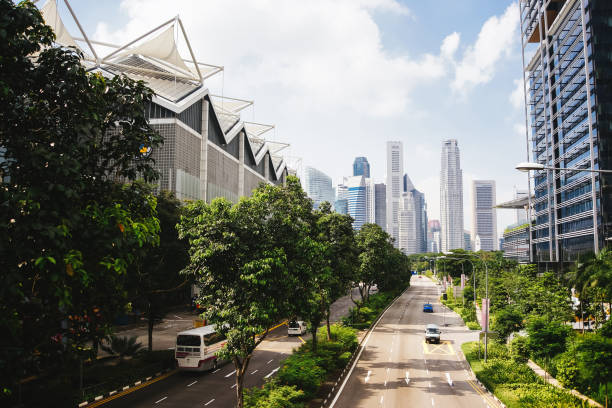
buildings are getting green and it’s kinda wild
so like, sustainable construction is everywhere now and honestly it’s more than just fancy solar panels on a roof or some recycled bricks. modern property markets are shifting because buyers, investors, and even renters are suddenly obsessed with eco-friendly buildings. personally, i visited a new apartment complex last month that had green roofs, rainwater harvesting, energy-efficient lighting — walked in thinking “wow this is futuristic” but also tripped over a cord because humans + construction = messy. social media reels love showing tours of these buildings, tiny chaos + huge wow factor.
why people care now
ok so demand is real. people want sustainable living, energy efficiency, and lower utility bills. also social media hype about climate change, eco-conscious influencers, viral posts about carbon footprints — everyone suddenly notices their apartment or office could be killing the planet slowly. personally, i joked on reddit about my tiny studio being “a carbon time bomb” and got 20 comments agreeing and giving tiny eco-hacks — humans care, chaotic but good.
cost vs long-term benefits
so sustainable buildings often cost more upfront — fancy materials, tech, green certifications — but in the long run, lower maintenance, energy savings, resale value boost. i know a friend who bought a green-certified condo, initial price slightly higher, but monthly energy bills cut by half — small chaos, huge payoff. forums are full of debates: “is green worth it financially?” — humans weigh chaos, budget, ethics, resale, energy, all at once.
materials and design
ok materials matter. bamboo floors, recycled concrete, low-VOC paints, smart insulation, passive solar design. personally, i once visited a building with walls made of recycled materials and thought i was in some post-apocalyptic chic art installation — chaotic but inspiring. pinterest boards show sustainable design hacks, some elegant, some over-the-top messy. buildings now aren’t just functional, they’re statement pieces + eco-conscious + slightly chaotic art.
energy efficiency and smart tech
smart tech + sustainable design = magic. energy-efficient HVAC, solar panels, automated lighting, smart thermostats, sensors — all reduce footprint. one time i stayed in a green apartment where lights adjusted automatically to daylight — felt weird at first, like building knew me better than i knew myself, but mood and focus surprisingly better. tiktok reels often show people exploring energy dashboards like tiny nerd adventures — humans + tech = messy but effective learning.
urban planning and sustainability
modern property markets also respond to urban planning regulations. cities incentivize green buildings with tax breaks, zoning perks, certifications. personally, i saw a developer brag on instagram about LEED certification like it was a trophy, which it kinda is — humans like badges, even for buildings. forums discuss “sustainable incentives for developers” — chaotic but educational, developers + policy + buyers = messy ecosystem.
health and wellness impact
sustainable buildings improve health too: better air quality, natural light, non-toxic materials, noise reduction. i noticed after a day in one green office building my headaches lower, focus better, mood lighter — tiny but real difference. social media shows wellness + green spaces combo — tiny gardens, rooftop greens, meditation zones — humans + buildings = happier humans.
market trends and property value
ok so the property market is noticing. green buildings often sell/rent faster, sometimes at higher prices. investors are suddenly “eco-hunting” for sustainable developments. personally, i watched a property tiktok about a green condo selling in days — chaotic competition, humans scrambling, eco-conscious hype. forums discuss “green premium” — how sustainability improves resale and rent appeal — humans mixing ethics + money = messy but profitable.
challenges and misconceptions
but not everything perfect. green buildings can be expensive, certifications confusing, tech fails sometimes. i saw a meme where solar panels on a luxury apartment exploded from heat — slightly exaggerated but messy reality exists. forums debate: “is sustainable construction truly better or just marketing?” — humans questioning chaos, marketing hype, actual benefit. messy but important discussion.
community and social influence
sustainable construction also shapes communities. green courtyards, rooftop gardens, shared spaces — encourage social interaction, communal awareness about eco-living. personally, i visited a sustainable housing project where neighbors shared composting tips — tiny chaos, messy humans, surprisingly pleasant. instagram reels and pinterest boards love showing community spaces, humans + green architecture = chaotic but positive vibes.
future outlook
ok forward-looking: sustainable construction will dominate property markets. climate change pressure, rising energy costs, social awareness, investor preference — all push green tech adoption. i imagine a city where skyscrapers talk to each other about energy usage, buildings self-regulate temperature, rainwater systems automated — messy humans adapting to futuristic ecosystems. forums and social media speculate constantly, memes joke about “buildings smarter than owners” — chaos + aspiration = urban future.
why it actually matters
so yeah, sustainable construction matters for modern property markets because it boosts energy efficiency, lowers long-term costs, improves wellness, increases resale/rental value, encourages community, and responds to social + environmental pressures. humans messy, markets chaotic, buildings increasingly smart + green + slightly rebellious. messy takeaway: even small sustainable choices — better materials, smart tech, green design — shape urban living, reduce environmental impact, improve lifestyle, and subtly make humans happier while navigating messy city life.