
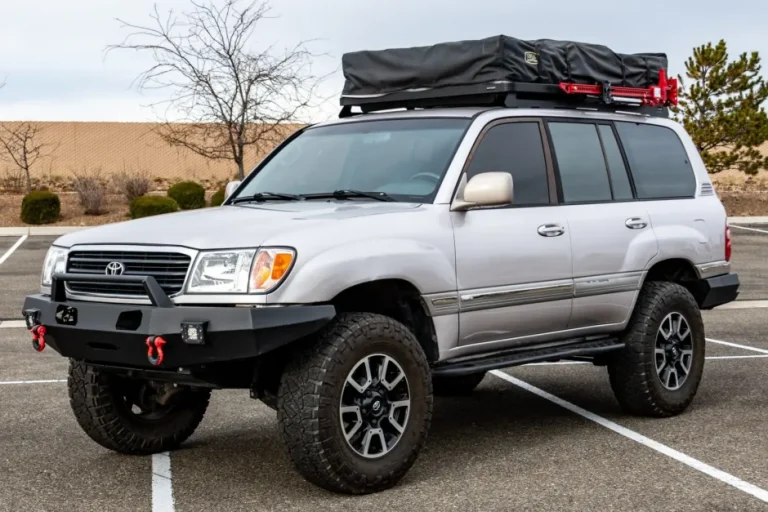
East Africa rewards travelers who are willing to leave the tarmac. Minibus tours and lodge-based safaris offer comfort, but 4×4 East Africa road trips deliver something different: freedom to linger at a waterhole, to wake before dawn for the best light, and to reach corners of Uganda, Kenya, Tanzania and Rwanda that conventional itineraries skip. This guide covers self-drive and car rentals in East Africa, including what to expect, how to plan, and how to stay safe and respectful along the way.
Why Choose a 4×4 Camping Safari?
The appeal comes down to three things: flexibility, cost and immersion.
Flexibility. You set the pace. If a leopard is resting in an acacia, you can stay an hour. If a road looks promising, you can take it. Group tours run to fixed schedules, while a self-drive road trip runs to yours.
Cost. Accommodation is typically the biggest safari expense. Camping with a rooftop tent or ground tent cuts nightly costs dramatically compared with lodges or tented camps, often by half or more. Choosing a car rental with camping equipment included bundles most of what you need into one daily rate.
Immersion. Sleeping under an enormous sky, with hyena calls and the rustle of the bush around you, is an experience lodge guests rarely get. Campfire dinners, early starts and the rhythm of life outdoors define the trip.
Choosing the Right Vehicle for 4×4 East Africa Road Trips
Not every 4×4 is equal, and the right choice depends on terrain, party size and season.
Toyota Land Cruiser (70 Series and Prado). The classic East African safari vehicle. The 70 Series is rugged, simple to repair, and parts are available across the region. The Prado is more comfortable on long drives and suits families.
Toyota Hilux double cab. Popular for rooftop-tent setups. It has a load bed for storage and strong off-road capability, and is common in Kenya and Uganda rental fleets.
Land Rover Defender and Discovery. Iconic, though less common now in hire fleets.
Safari-converted Land Cruisers. Some operators offer pop-up roofs for game viewing and photography, usually with a driver-guide.
Whatever you choose, check for high ground clearance, a working diff lock or low-range gearbox, two full-size spare tyres, a jack and recovery equipment, a snorkel for river crossings if needed, and a long-range or auxiliary fuel tank for remote areas. Many hire companies also fit a fridge, a second battery and a roof rack as standard for camping setups.
Self-Drive or With a Driver-Guide?
This is the most important decision you will make when booking car rentals in East Africa.
Self-drive gives maximum independence and the lowest cost. It works best in countries with decent navigation and road networks, such as Kenya, Uganda, Rwanda and Tanzania’s northern circuit. You need confidence driving on rough roads, changing a tyre, and handling unexpected situations. Navigation apps such as Maps.me or Tracks4Africa data, along with paper maps, are essential because mobile signal disappears in parks.
With a driver-guide, you gain local knowledge, wildlife-spotting expertise, help at checkpoints and permit counters, and peace of mind on difficult terrain. Guides often know where leopards den and which tracks are flooded. Many companies offer a vehicle with a driver and a cook, which turns a camping trip into something close to a classic mobile safari.
A sensible middle path is self-drive for the first few days on easier roads, then a local guide for tougher parks such as Kidepo Valley in Uganda or Tanzania’s southern circuit.
Top Destinations by Country
Uganda
Uganda is among the best-value and most varied destinations for a 4×4 trip. Queen Elizabeth National Park offers tree-climbing lions in Ishasha, boat safaris on the Kazinga Channel and crater lakes. Murchison Falls National Park combines big game with the thundering Nile. Kidepo Valley National Park, in the remote northeast, is wild, dramatic and rarely crowded, and it demands a sturdy vehicle. Add gorilla and chimpanzee trekking in Bwindi, Mgahinga and Kibale, and Lake Mburo for walking and horseback safaris. Most Ugandan roads to parks are tarmac or good murram, but rainy-season conditions can be demanding.
Kenya
Kenya is the heartland of self-drive safari culture. The Maasai Mara, Amboseli beneath Kilimanjaro, Tsavo East and West, Samburu and Lake Nakuru all allow private vehicles. Camping options range from public campsites to private conservancies. The Northern Frontier routes toward Lake Turkana are an adventure for experienced, well-equipped teams, ideally traveling in convoy.
Tanzania
Tanzania’s northern circuit, including the Serengeti, Ngorongoro Crater and Tarangire, is world famous. Self-drive is permitted, but park and camping fees are high, and Ngorongoro Crater has specific regulations. The Selous (Nyerere National Park), Ruaha and Katavi in the south and west are wilder and quieter, and well suited to a rugged 4×4 camping trip with proper preparation.
Rwanda: Kigali Car Hire and Self-Drive
Rwanda is compact and its roads are excellent, which makes it one of the easiest countries in the region for a first self-drive. Kigali car hire and self-drive options are widely available from the capital and the airport, and Rwanda car rentals range from compact saloons for city trips to full 4x4s for the national parks. A 4×4 is less essential here than elsewhere in the region, but it adds comfort and ground clearance on the rural roads and park tracks you will meet when combining Akagera National Park, Volcanoes National Park and Nyungwe Forest.
A few practical points for renting a car in Rwanda:
-
Rwanda drives on the right, unlike Uganda, Kenya and Tanzania, which drive on the left. This matters if you plan a cross-border trip.
-
Hilly, winding roads and frequent motorbike taxis call for careful, defensive driving.
-
Some visitors choose Kigali car hire with a driver for city days and gorilla-trekking mornings, then switch to self-drive for Akagera.
-
Confirm with the rental company what documents and permissions you need, especially for cross-border travel.
Camping Options
East Africa offers three main styles of camping.
Public campsites are basic, with a cleared area and sometimes a long-drop toilet and cold water. They are cheapest and closest to nature.
Special campsites are unfenced, secluded sites you book exclusively. They provide the most memorable wilderness experience, though they require self-sufficiency and often rangers for security.
Private and community campsites vary from simple to luxurious and often include hot showers, a communal kitchen and security guards. Staying in community-run sites also puts money directly into local hands.
A rooftop tent mounted on a 4×4 is fast to set up, keeps you off the ground and away from ants, and offers a sense of security. Ground tents are cheaper and roomier. Either way, always keep food locked inside the vehicle, never in your tent, and never cook or store food where animals can reach it.
Essential Equipment
Reputable hire companies will supply most of this, but verify the list before you sign.
-
Tent with sleeping mats, bedding or sleeping bags rated for cold nights at altitude.
-
Camping chairs, table, stove, gas, cookware and a cooler or 12V fridge.
-
Water containers and purification tablets or filter.
-
Head torches, lantern and spare batteries.
-
First-aid kit, including malaria prophylaxis, antihistamines, rehydration salts and tick treatment.
-
Recovery kit: shovel, traction boards, tow strap, air compressor, tyre repair kit.
-
Paper maps, GPS device and ideally a satellite messenger for remote areas.
-
Fire extinguisher and basic tool kit.
Costs and Booking Self-Drive and Car Rentals in East Africa
Daily rates for a fully equipped 4×4 with camping gear generally range from roughly 100 to 200 US dollars, depending on country, season and vehicle. Ugandan and Kenyan operators tend to be at the lower end, while Tanzania and high-season Kenya sit higher. Adding a driver-guide typically costs an additional 50 to 100 dollars per day, and a cook adds a little more. Rwanda car rentals vary widely by vehicle type, so compare quotes for a standard car, a 4×4 and a car with a driver before you decide.
Budget separately for fuel, which is a major expense over long distances, along with park entry fees, vehicle entry fees, camping fees, and any permits such as gorilla trekking, which is priced separately and often needs booking well in advance. Cross-border travel requires permission from the hire company and extra paperwork, so plan this early.
Book at least three to six months ahead for peak periods, such as July to October and the Christmas season. Confirm insurance details carefully: ask about excess, tyre and windscreen cover, and what happens if the vehicle breaks down in a remote area.
Best Time for 4×4 East Africa Road Trips
The dry seasons are generally the best for game viewing and driving. In Uganda and Kenya, December to February and June to September are popular. In Tanzania, the dry season from June to October coincides with the Great Migration river crossings in the north. The long rains, roughly March to May, make many roads impassable, and some camps close, though prices drop and landscapes turn lush. Short rains arrive around November.
Safety and Practical Tips
Wildlife. Keep to marked tracks, never leave your vehicle except at designated points, and never approach elephants, buffalo or predators. At night, stay inside the camp area and use a torch when walking to facilities.
Driving. Expect potholes, livestock, boda-bodas and overloaded trucks on public roads. Avoid driving at night outside towns. In parks, speed limits are low for good reason.
Health. Take malaria prophylaxis on your doctor’s advice, carry insect repellent, and check yellow fever vaccination requirements for entry and for travel between countries. Travel insurance with medical evacuation cover is strongly recommended.
Security. Camp in recognized sites, keep valuables out of sight, and follow local advice about areas to avoid. In remote regions, travel in convoy and share your route with someone.
Fuel and supplies. Fill your tank whenever possible, because fuel stations can be scarce and sometimes out of stock. Carry spare water and food for at least a day beyond your planned route.
Money. Carry some cash in small denominations for park gates, local campsites and tips, although mobile money and card payments are increasingly accepted.
Responsible Travel
Good safari manners protect both wildlife and the communities who live beside it. Keep a respectful distance and never feed animals. Take every piece of rubbish with you. Support community lodges, craft markets and local guides. Ask permission before photographing people. Use water sparingly, especially in dry regions, and avoid single-use plastics where possible.
Sample Itinerary: Two Weeks in Uganda
A popular route begins in Entebbe or Kampala, then heads north to Murchison Falls for three days of game drives and a Nile boat trip. From there, travel southwest to Kibale for chimpanzee tracking, continue to Queen Elizabeth National Park for two days including Ishasha’s tree-climbing lions, and drive on to Bwindi for gorilla trekking. Finish with a relaxing stop at Lake Bunyonyi before returning via Lake Mburo. Total driving is substantial, so allow buffer days, and keep flexibility for weather and road conditions.
For a longer regional trip, many travelers pair this route with Rwanda, picking up Kigali car hire and self-drive for Volcanoes National Park and Akagera after the Bwindi gorilla trek.
Final Thoughts
A 4×4 camping safari in East Africa is not the easiest way to see the region, but it is among the most rewarding. With the right vehicle, thorough preparation, and respect for wildlife and local communities, you will return with stories that no lodge stay can match. Choose a reputable company for your self-drive and car rental in East Africa, read the fine print, build flexibility into your schedule, and let the landscape set the tempo. The savannah, forest and mountains are waiting, and the best views of 4×4 East Africa road trips are often at the end of a dusty track.